
Search Virginia DUI Records
Virginia DUI records are public court documents that show the outcome of drunk driving cases filed across the state. You can search them through local court clerks, the Virginia online case information system, and the Virginia DMV driving records portal. Whether you need a copy of a court judgment, want to check the status of a pending case, or need to review your own driving history, the records are available through several official channels. This guide covers where Virginia DUI records are kept, how to access them, what the law requires, and what to expect from the process.
Virginia DUI Records Overview
Where Virginia DUI Records Are Kept
Virginia handles DUI cases through two types of courts. General District Courts hear first and second offense misdemeanor DUI charges. These courts sit in each county and independent city. Circuit Courts take on felony DUI cases, which apply to a third offense within ten years, and they also hear de novo appeals from General District Court. When you appeal a General District Court conviction, you get a full new trial at the Circuit Court level.
The Clerk of Court in each jurisdiction is the official record keeper for DUI cases. Clerks maintain case files that include charging documents, warrants, continuances, plea agreements, and final judgments. You can visit a Clerk's office in person during business hours and ask for records by name or case number. Most Clerks also accept written or mailed requests. The Virginia Courts official website lists contact information and addresses for all General District Courts and Circuit Courts across the state.
Beyond court records, the Virginia DMV keeps a separate driving record that includes DUI convictions. A conviction shows up on your driving record and stays there for eleven years from the date of the offense. That is significantly longer than most other traffic violations. The DMV record and the court record are separate documents maintained by separate agencies.
The Virginia General District Court Online Case Information System gives the public online access to case records from participating courts. You can search by name, case number, or hearing date. The system shows the charge, case status, hearing date, and final disposition when available. It also shows specific code sections like Virginia Code § 18.2-266, the arresting agency, and officer information for traffic offenses including DUI.
The Virginia General District Courts information page explains the court structure and how to find your local court. Each of the 32 judicial districts has at least one General District Court. The statewide online case system covers many of these courts, though some smaller jurisdictions may require an in-person visit to access records.
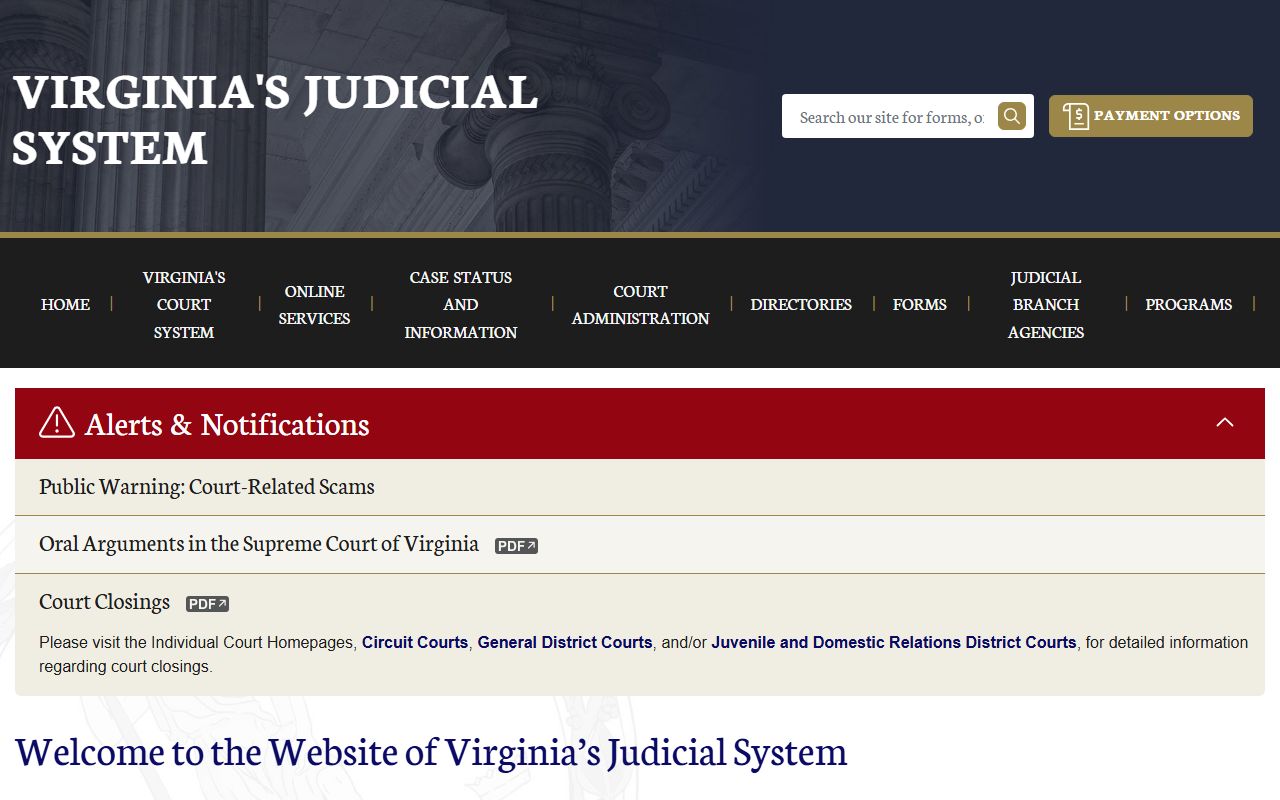
The Virginia Courts website is the central hub for finding DUI case records. It links to the online case information system and provides contact details for every court in the state.
Virginia DUI Laws and Core Statutes
The primary DUI statute is Virginia Code § 18.2-266. It makes it unlawful to drive or operate any motor vehicle while having a blood alcohol concentration of 0.08 percent or more by weight by volume. But BAC is not the only way to violate the law. Virginia Code § 18.2-266 actually covers five separate scenarios. You can be charged for driving while impaired by alcohol even if your BAC is under 0.08. You can also be charged for driving under the influence of drugs, under the combined influence of alcohol and drugs, or for having specific blood concentrations of certain controlled substances including cocaine, methamphetamine, or MDMA.
Underage drivers face a stricter standard. Under § 18.2-266.1, it is unlawful for anyone under 21 to drive after consuming alcohol with a BAC at or above 0.02 percent. This is a Class 1 misdemeanor. The penalty includes a mandatory one-year license forfeiture and a minimum fine of $500 or 50 hours of community service.
Virginia's implied consent law under § 18.2-268.2 matters a great deal in DUI arrests. Any person driving a motor vehicle in Virginia is deemed to have consented to chemical testing of blood or breath if arrested for DUI within three hours of the alleged offense. Refusing the breath test is a civil offense on the first refusal, carrying a one-year license suspension. A second refusal within ten years is a Class 1 misdemeanor with a three-year revocation. Blood test refusal follows similar rules.
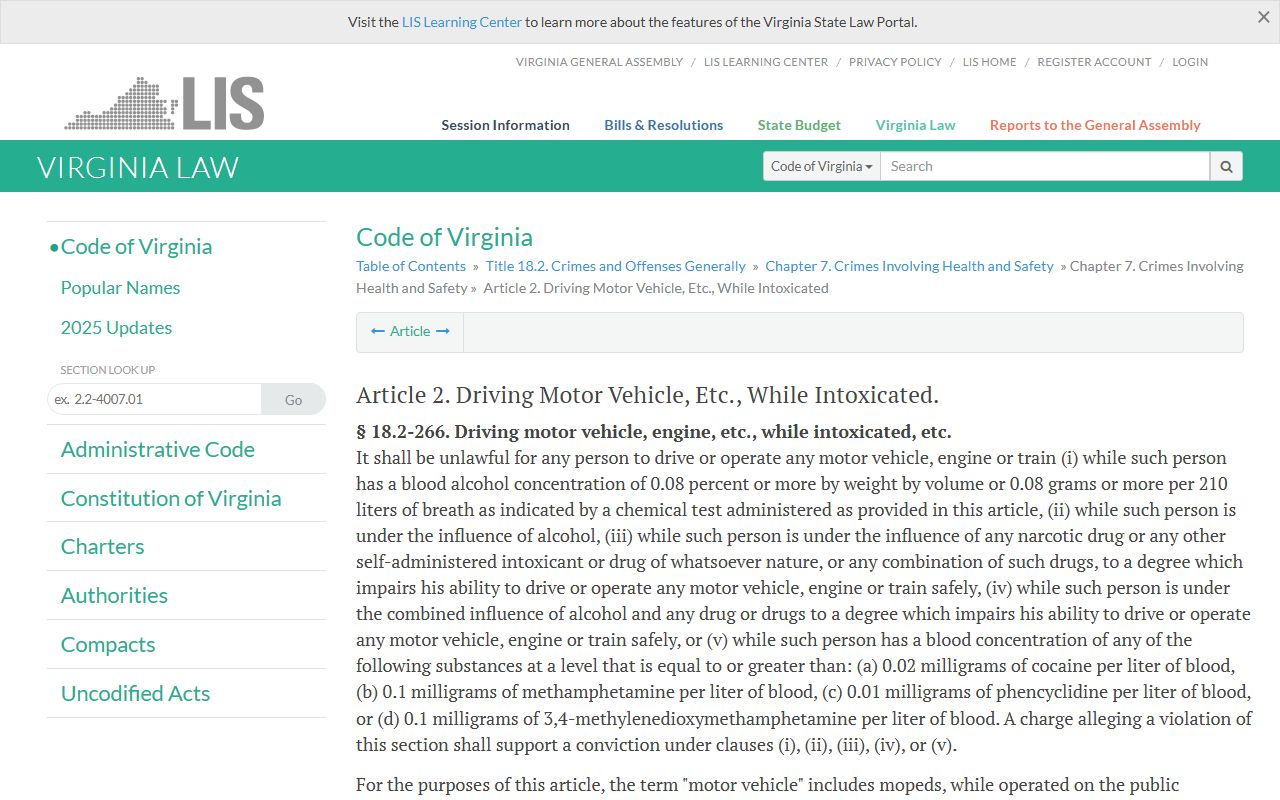
Virginia Code Title 18.2, Chapter 7, Article 2 contains the complete text of Virginia's DUI and DWI laws, including blood alcohol thresholds, implied consent requirements, and evidence standards.
The full Chapter 7 covers all crimes involving health and safety, with Article 2 focused specifically on driving while intoxicated offenses. Courts, clerks, and attorneys routinely reference these statutes when handling DUI cases. Knowing the relevant code sections can help when you are reading a case record or charging document.
Virginia DUI Penalties and Record Impact
A first-offense DUI in Virginia is a Class 1 misdemeanor. The mandatory minimum fine is $250. If the BAC tested between 0.15 and 0.20 percent, the law adds a mandatory five-day jail term. If the BAC exceeded 0.20 percent, that jumps to ten days. The court also suspends the driver's license for twelve months on a first offense.
Second offenses carry heavier consequences. A second DUI within five years brings a mandatory minimum $500 fine, a one-month to one-year jail sentence, and a twenty-day mandatory minimum. If the second offense falls between five and ten years after the first, the mandatory minimum drops to ten days confinement but the fines remain high. The license suspension for a second offense within ten years is three years.
A third DUI within ten years is a Class 6 felony. The mandatory minimum sentence is ninety days, rising to six months if the third offense comes within five years of the first. The mandatory minimum fine is $1,000. A fourth or subsequent DUI within ten years carries a one-year mandatory minimum prison term. Felony DUI records are handled by Circuit Courts rather than General District Courts.
Child endangerment adds to any DUI penalty under § 18.2-270.D. Transporting someone age 17 or younger while impaired triggers an additional minimum $500 fine and at least five days of mandatory confinement on top of the base DUI sentence.
Ignition interlock requirements under § 18.2-270.1 apply to many DUI offenders as a condition of getting a restricted license. Courts are required to prohibit offenders from operating vehicles without a functioning ignition interlock system. First-time offenders with elevated BAC levels, and all repeat offenders, must install interlock on every vehicle they own or register for a minimum of twelve months without any violations.
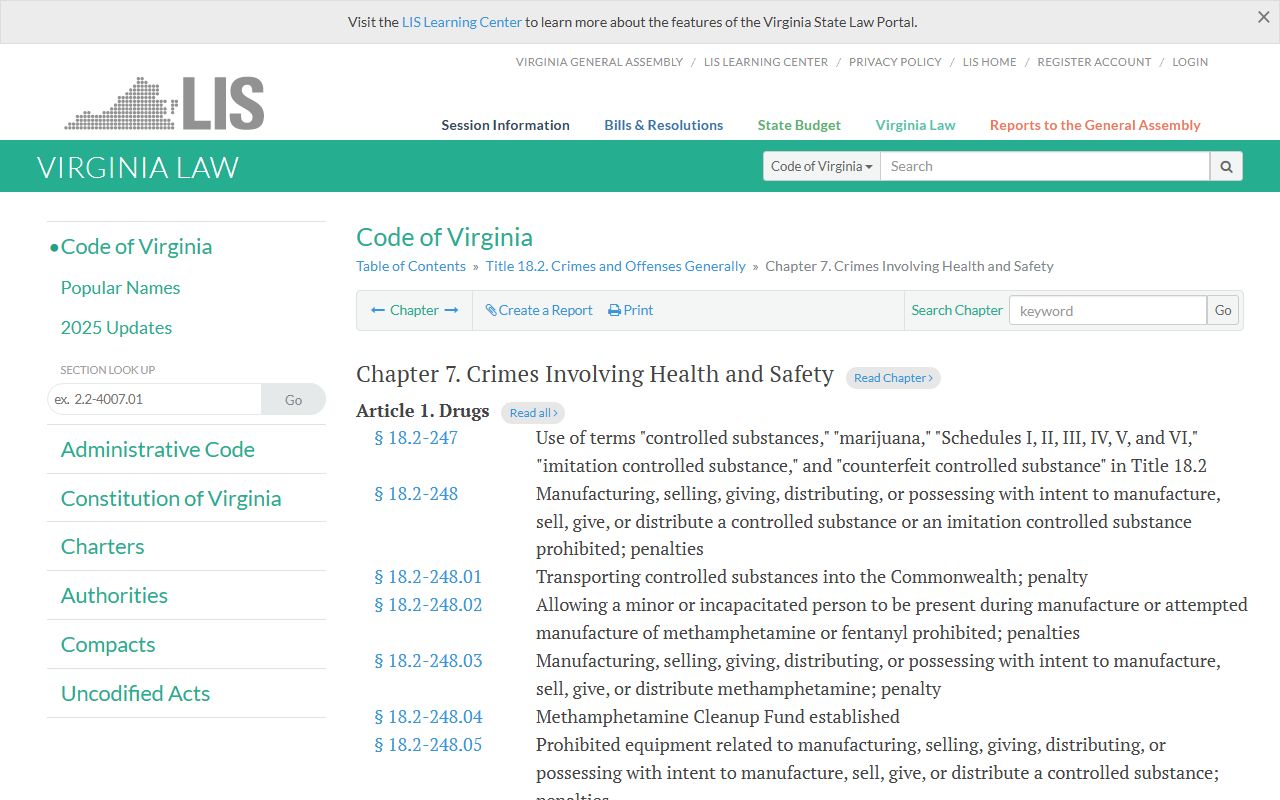
Virginia's DUI penalty framework includes mandatory minimums for fines and confinement that increase sharply with prior offenses and high BAC levels.
Virginia DMV Driving Records and DUI
The Virginia Department of Motor Vehicles maintains driving records that include DUI conviction information separate from court records. A DUI conviction assigns six demerit points to your driving record. Those points stay on the record for two years from the date of the offense. Accumulating too many demerit points triggers additional penalties such as required attendance at driving improvement clinics or license suspension.
DUI convictions remain on Virginia driving records for eleven years from the offense date. That is much longer than most other traffic violations. The DMV offers several types of driving records. A personal use record covers up to eleven years of history including accidents and all vehicular charges. Employment records cover seven years. Insurance records cover five years. The base fee is $8 for an online record or $9 for a mailed copy. Certified copies cost an additional $5.
You can request your driving record online through the DMV website portal, by mail to the DMV Driver Records Work Center at P.O. Box 27412, Richmond, VA 23269, or in person at any DMV customer service center with a photo ID.
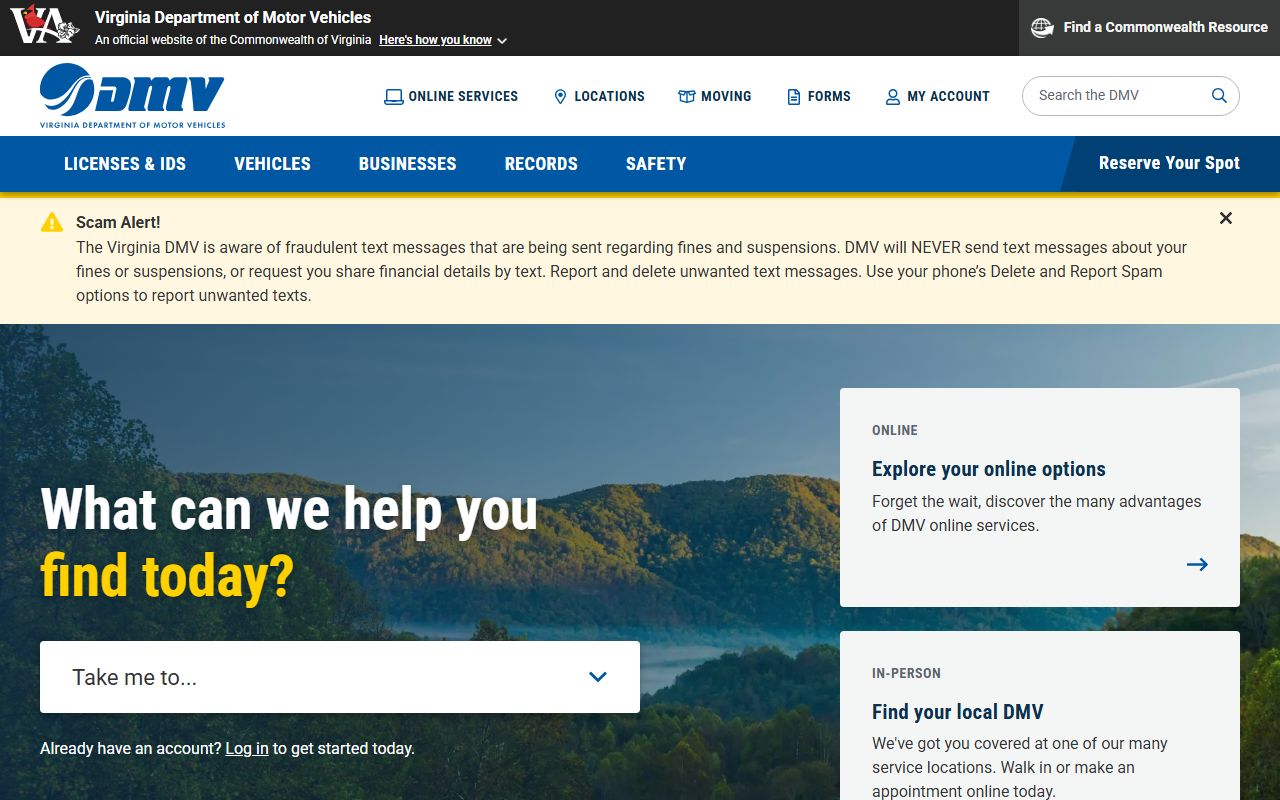
The Virginia DMV website provides online driving record requests and information on how DUI convictions affect your license status, demerit points, and suspension periods.
How Virginia General District Courts Handle DUI Cases
General District Courts handle the majority of DUI cases in Virginia. These courts have jurisdiction over traffic violations including DUI misdemeanors and also conduct preliminary hearings for felony DUI matters. Magistrates in each district issue arrest warrants and handle bail hearings for DUI arrests around the clock, 24 hours a day.
The Clerk of the General District Court maintains records of every DUI case filed. The file includes charging documents, warrants or summonses, continuances, plea agreements, and the final judgment. Records are available for public inspection during business hours. The statewide online case system provides access to case information for many courts without requiring an in-person visit.
Defendants in General District Court have the right to appeal any adverse ruling to Circuit Court within ten days of the judgment. The Circuit Court conducts a completely new trial, called a de novo review, as if the General District Court proceeding never happened. This right to appeal de novo is an important protection in Virginia's two-tier court system.
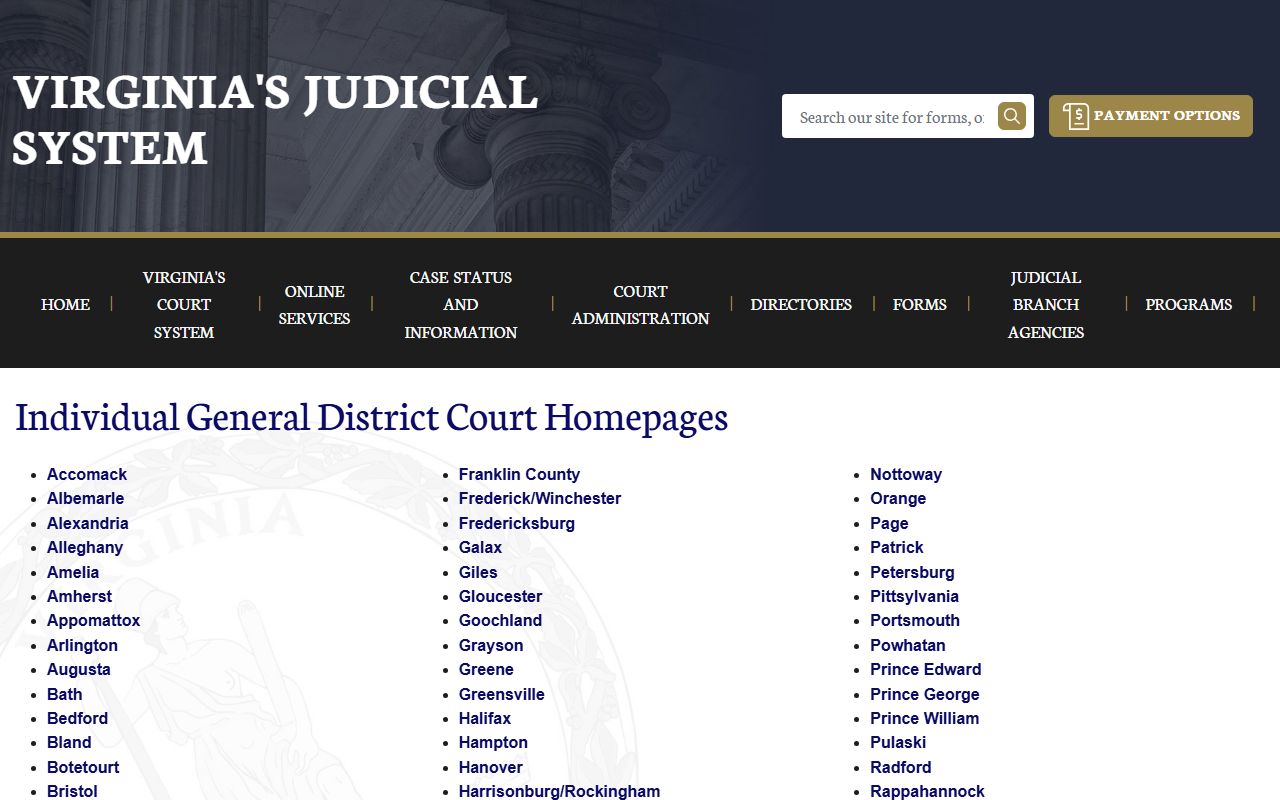
Virginia's General District Courts are the entry point for most DUI prosecutions and maintain case records that can be searched online or accessed in person at the courthouse.
Chemical Testing and the Department of Forensic Science
The Virginia Department of Forensic Science plays a central role in DUI prosecutions. DFS approves and certifies all breath testing equipment used by law enforcement statewide. It also licenses breath test operators, making sure they are properly trained on the specific equipment they use. Certificates of analysis from DFS-approved equipment are admissible as evidence in court when properly attested.
Blood testing follows strict rules under § 18.2-268.5. Only physicians, registered nurses, licensed practical nurses, phlebotomists, or designated technicians may withdraw blood. The person drawing blood is immune from civil liability when following recognized medical procedures. DFS analyzes blood samples submitted by law enforcement for alcohol and drug content, and DFS scientists may provide expert testimony in DUI prosecutions about chemical test results and procedures.
Defendants have the right to request independent laboratory analysis of remaining blood samples within 90 days. Independent labs must be accredited by recognized bodies such as CAP or SAMHSA. Courts apply a substantial compliance standard to blood and breath testing procedures, meaning minor procedural failures go to the weight of the evidence rather than automatic dismissal.

The Virginia Department of Forensic Science certifies breath testing equipment, trains law enforcement, and analyzes blood samples used as evidence in DUI cases across all 95 counties.
Virginia Alcohol Safety Action Program
Courts may require DUI defendants to complete the Virginia Alcohol Safety Action Program, commonly called VASAP. Under § 18.2-271.1, courts can order VASAP participation as a condition of probation, a restricted license, or a charge reduction. The program exists in every judicial district in Virginia. Participants pay fees that typically run between $250 and $300, though courts can waive fees for defendants who cannot afford them.
VASAP provides substance abuse assessment, education classes, treatment referrals, and compliance monitoring. Education classes cover how alcohol and drugs affect driving ability, legal consequences of DUI, and strategies for prevention. Classes typically run 10 to 20 hours over multiple sessions. Treatment referrals connect participants with licensed providers ranging from outpatient counseling to residential programs, depending on the assessment outcome.
Local VASAP programs report compliance or non-compliance back to the referring court. Failing to complete the program or violating its conditions can result in probation violations and additional court proceedings. The Commission on VASAP sets minimum standards for all local programs to ensure consistent services statewide. Contact your local courthouse to find the VASAP provider serving your judicial district.
Accessing DUI Records Under Virginia FOIA
Court records including DUI cases are generally public in Virginia. Most of what is in a DUI case file is open to anyone who asks. You do not need to be a party to the case, and you do not need to give a reason for your request. The Clerk's office is the right place to go for court records. For records held by law enforcement agencies, the Virginia Freedom of Information Act governs access.
FOIA requests should be made in writing to the agency's FOIA officer. The agency must respond within five working days. Agencies can charge reasonable fees for copying and staff time. They can also withhold records that are exempt from disclosure, including ongoing investigation files, certain personal information, and attorney-client privileged materials. If your request is denied, you can appeal to the appropriate court or to the Virginia Freedom of Information Advisory Council.
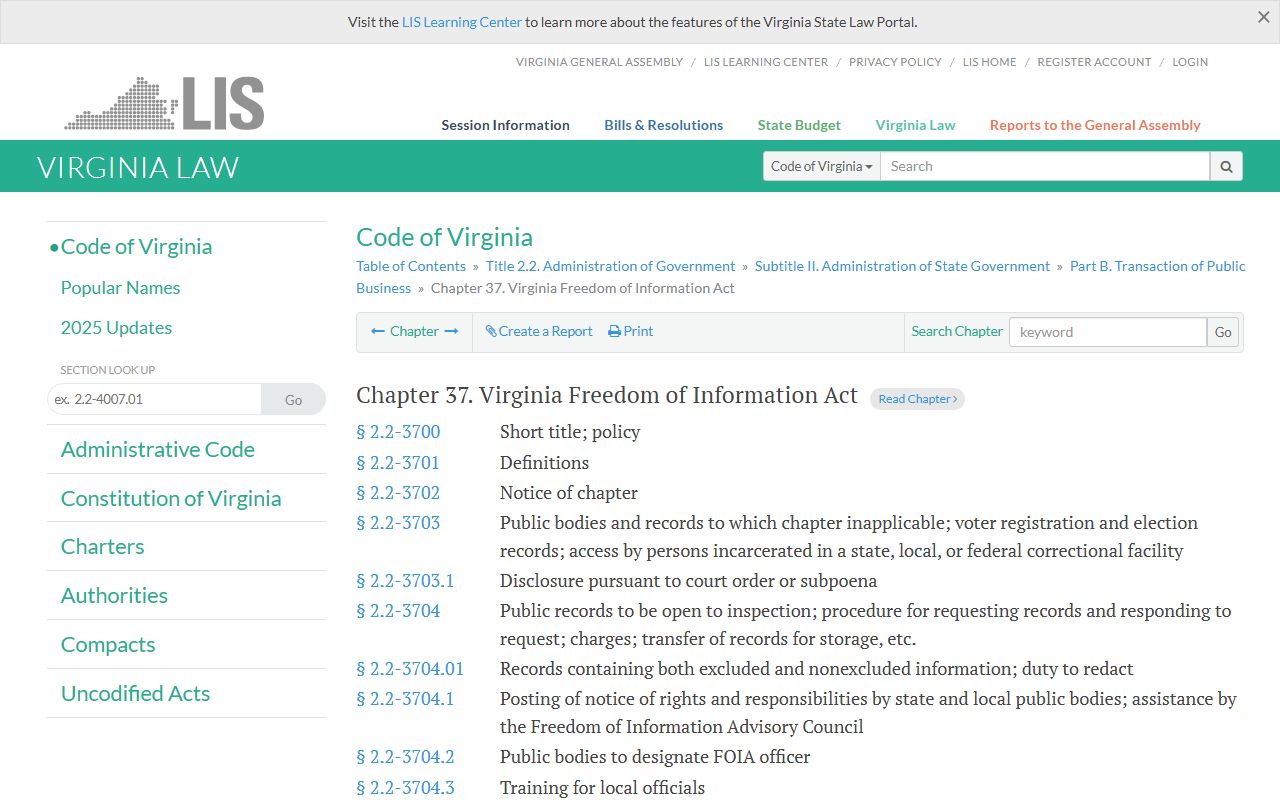
Virginia's FOIA law ensures public access to government records including police reports and arrest records related to DUI cases, subject to limited exemptions.
Police arrest reports are separate from court records. An arrest report is generated by the law enforcement agency that made the arrest. You request these from the agency directly, not from the court. The sheriff's office or police department records division handles these requests. Standard FOIA procedures and fees apply.
DUI Enforcement Across Virginia Counties
DUI enforcement in Virginia involves multiple agencies working together. Local sheriff's offices handle patrols and arrests in most counties. Independent cities have their own police departments. Virginia State Police provide coverage on interstate highways and state routes, conduct crash reconstruction for serious injury accidents, and assist local agencies with major operations. All of these agencies maintain arrest records that can be requested through proper channels.
Larger departments like Fairfax County Police and Chesterfield County Police run dedicated traffic safety operations including saturation patrols and sobriety checkpoints during high-risk periods like holidays and weekends. These operations are conducted in compliance with constitutional requirements and result in arrest records that feed into the court system.
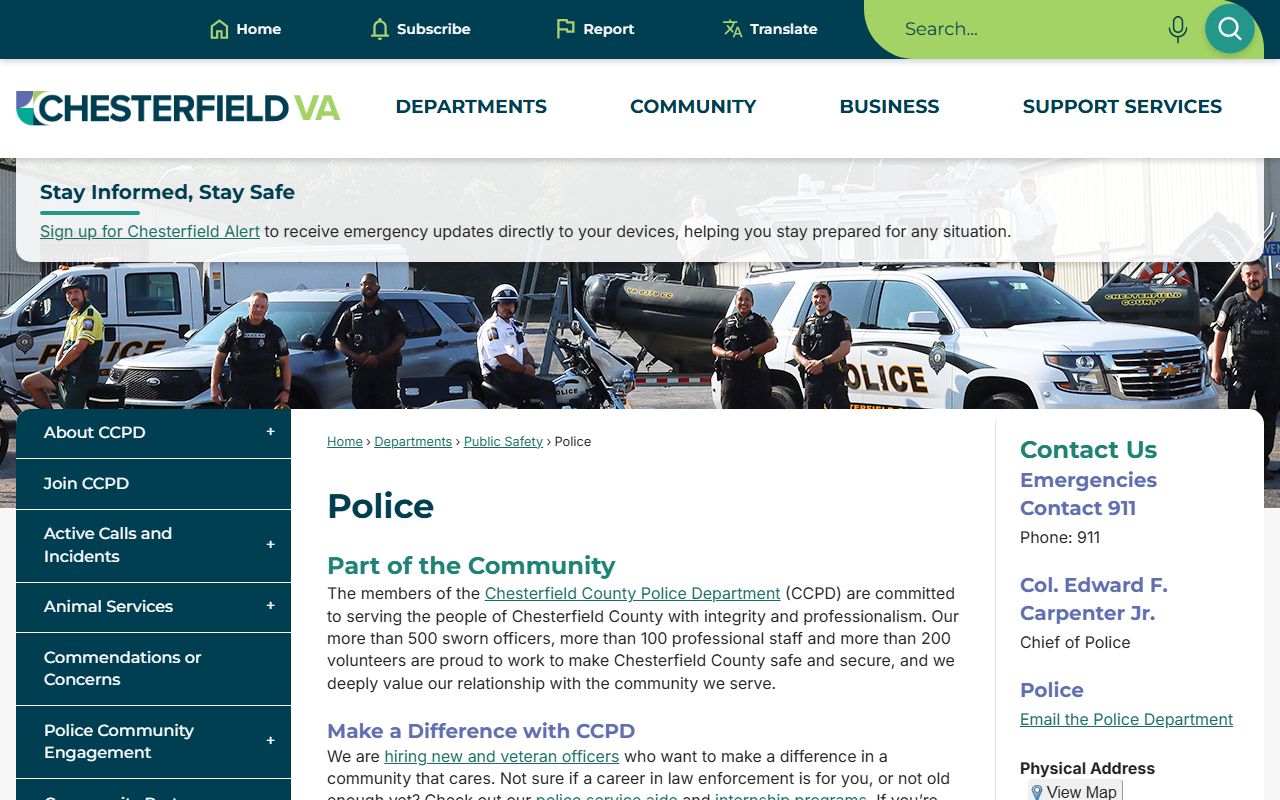
Chesterfield County Police, one of Virginia's largest departments with over 500 sworn officers, maintains online crime reporting and records request systems for obtaining police reports related to DUI arrests.

Fairfax County Police serves over 1.1 million residents in Virginia's most populous jurisdiction and handles a high volume of DUI arrests each year, maintaining detailed records available through official request channels.
Virginia State Police maintain criminal history records through the Virginia Criminal Information Network, known as VCIN. When courts report DUI convictions, those records are entered into VCIN and become part of the statewide criminal history system. This is separate from court records and DMV records but ties all three together into one enforcement picture.
Note: DUI conviction records are permanent in Virginia. Courts do not expunge DUI convictions. Expungement is reserved for cases that were dismissed or where the defendant was acquitted.
Browse Virginia DUI Records by County
Each of Virginia's 95 counties has its own Circuit Court Clerk and General District Court that handle DUI cases. Select a county below to find local court contact information, records access details, and DUI enforcement resources for that area.
DUI Records in Major Virginia Cities
Virginia's independent cities each maintain their own Circuit Court and General District Court for DUI cases. Choose a city below to find court contact info and local DUI records resources.